How to Identify a Scammer Using an Email Address: A Detailed Guide
There is no denying the fact that email scams are on the rise. But do not be alarmed, you can identify a scammer using just an email address.
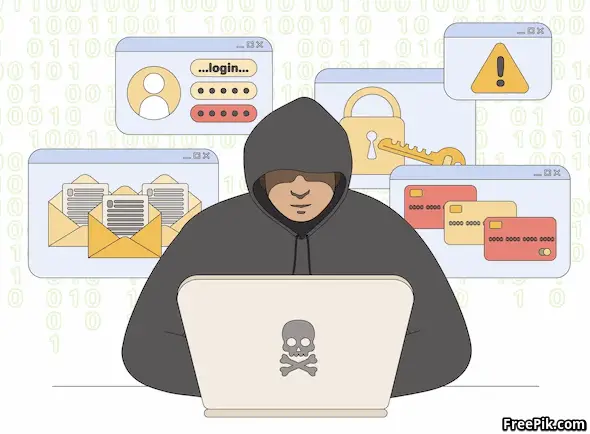
Start by Examining the Email Address Closely
Take a closer look at the email address that was used to send the email. Scammers often try to use some subtle tricks to fool their unsuspecting victims.
Some Things To Look Out For:
- Misspellings in Email Addresses - Scammers often use misspellings to mislead people. They may replace the letter “o” in “Amazon” with the number 0 and send an email with an address like amaz0nsupport. At first glance many may assume the email is from Amazon. So, always take a close look to see if there are misspellings or extra characters in the email address.
- Misspelled Domain Names of Popular Websites - Sometimes scammers register misspellings of domain names of popular websites to try and fool people. They simply replace letters with numbers or add double letters. So, you may end up with an email coming from Ammaz0n.com, which is definitely not the real website.
- A Variation Of Popular Websites - Because scammers know people are catching up to the misspelling strategy, they often register certain variations of popular websites making it seem as if the website is dedicated for a special service. So, they can register amazonsupportstaff.com and send an email with an email address like [email protected].
- Free email providers – While it is true that many small businesses use free email addresses for legitimate purposes, established companies rarely do. So, when you get an email from established companies like Amazon or Banks using a free email address like gmail.com, you should know something is off. But don’t assume all emails from free email providers are scams, at times some people use their personal email addresses to reach out so before you label something a scam, investigate further to find out if the person is who he is claiming to be.
Check the Email Header
Every email contains a header containing technical information about its origin. You don’t need to be an expert to understand the header.
Simply copy the email header and paste in an email tracer tool to get more information about the origin of the email.
This method is not always successful as some scammers are smart enough to hide their IP address by using VPNs. Even without a VPN all you can get from an email header trace is IP Geolocation which may not really help you know the identity of the scammer.
Reverse Email Lookup
If all of the above methods did not work for you, there is a simpler method worth giving a shot. It is called Reverse email lookup.
Reverse email lookup is the process of looking up an email address to get details of the owner from public databases.
There are many reverse lookup tools online. Some even claim to offer reverse email lookup but if you really want reliable results, a paid lookup tool is your best shot.
Some paid reverse lookup tools also offer criminal background checks for an extra fee. With such a tool, you can find out who the email sender actually is and if what is being offered is worth considering.
For an affordable lookup tool that can get you details like name, address, phone numbers, secondary email addresses, social media accounts, dating profiles and detailed background check, from just an email address, CHECK OUT THE TOOL BELOW…